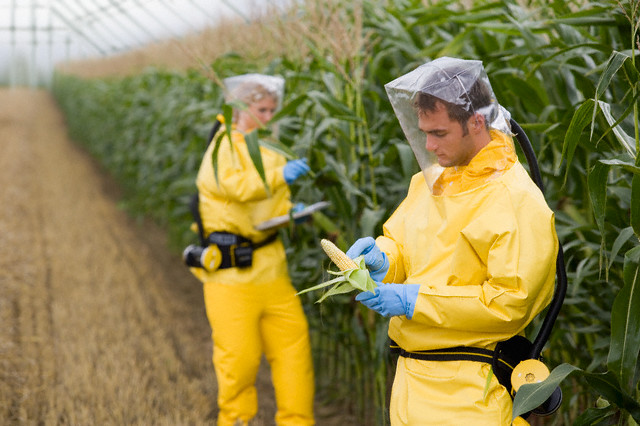




Scientists from the SPRINT project in the EU tested ten pesticides that are widely used on European farms — including the herbicide glyphosate, several insecticides, and a few fungicides — to see whether they damage DNA in human intestinal cells grown in the lab. They also tested two realistic “cocktails” made by combining several of these pesticides together, since in real life people are rarely exposed to just one chemical at a time.
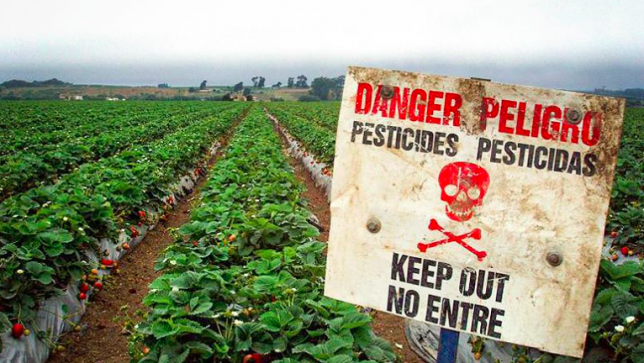
The peer-reviewed results proved that most of the pesticides caused DNA damage, and some did so at concentrations far lower than previously reported — in some cases close to the levels regulators currently consider “safe” for everyday exposure.
“The findings from the SPRINT project highlighted the ubiquitous presence and the toxic effects of pesticide mixtures, even at low doses,” stated Dr. Daniele Mandrioli, Principal Investigator and Leader of the SPRINT Toxicology Working Group.
Why this study was done
Pesticides are sprayed on crops all over the world to keep away insects, weeds, and fungi. As part of a large European research project called SPRINT, researchers had already found that residues from multiple pesticides are essentially everywhere in farming regions — in soil, water, crops, household dust, and even indoor air of farmers’ homes. What wasn’t clear was whether these chemicals, alone or mixed together, could actually harm human cells at the levels people are realistically exposed to.
One important warning sign for a chemical’s long-term danger is whether it’s “genotoxic” — meaning it damages or alters DNA. DNA damage is one of the well-established pathways that can lead to cancer and other chronic diseases over time. So testing pesticides for genotoxicity is a standard, important part of deciding whether they’re safe to use.
How the test works
The researchers used a well-established, internationally recognized lab test called the micronucleus assay. Here’s the basic idea, in plain terms:
- Human intestinal cells (from a cell line called Caco-2, commonly used to model the gut lining) were grown in dishes and briefly exposed to a pesticide.
- The cells were then allowed to divide once, and a chemical was added that stops them from splitting into two separate cells (so scientists can be sure each cell actually attempted to divide).
- Under the microscope, technicians looked for tiny extra blobs of genetic material outside the main nucleus, called micronuclei. These form when a cell’s chromosomes get damaged or scattered during division — they’re basically a visible sign that something went wrong with the DNA.
- More micronuclei = more DNA damage caused by the substance being tested.
The team also checked that the doses used weren’t simply killing large numbers of cells (which would make the results unreliable) — a key quality-control step required by international testing guidelines.
What they tested
Ten pesticides were tested individually, each across five doses ranging from very low (0.01 milligrams per liter) up to a high dose (100 mg/L):
- Insecticides: lambda-cyhalothrin, cypermethrin, deltamethrin, acetamiprid
- Fungicides: tebuconazole, cyprodinil, fluopyram, imazalil
- Herbicide: glyphosate
- Synergist/co-formulant: piperonyl butoxide (an ingredient added to some insecticide products to make the active ingredient work better)
They also tested two realistic mixtures: a combination of 3 pesticides (acetamiprid + glyphosate + tebuconazole) and a combination of 8 pesticides (adding cypermethrin, cyprodinil, deltamethrin, lambda-cyhalothrin, and piperonyl butoxide to the mix).
What they found
Most of the pesticides damaged DNA. Nine of the ten substances caused a significant increase in micronuclei at one or more doses. Only imazalil couldn’t be properly evaluated, because it was too toxic to the cells even at low doses, which made the DNA-damage measurement unreliable.
Glyphosate stood out as the most damaging. It caused DNA damage at every dose tested, including the lowest one (0.01 mg/L) — a concentration well below levels previously shown to cause damage in other cell types like blood cells. At the highest dose, glyphosate actually caused more DNA damage than the “positive control” chemical (a compound already known to be highly damaging, used to confirm the test was working properly). This is notable given that glyphosate’s safety has been publicly debated for years — the International Agency for Research on Cancer classified it as a probable human carcinogen back in 2015, a conclusion some regulators have disputed.
A few pesticides caused damage that didn’t increase smoothly with dose — cypermethrin, acetamiprid, and cyprodinil showed damage at some doses (often the lowest ones) but not in a steady increasing pattern. The researchers note these results deserve confirmation in follow-up studies.
Three substances were newly identified as damaging, contradicting earlier assumptions:
- Piperonyl butoxide — an additive used in many pyrethroid insecticide products — had never before been shown to damage human cells, despite having been considered non-genotoxic.
- Cyprodinil and deltamethrin were also previously thought not to damage DNA, based on older studies in blood cells, but showed clear damage in these gut cells.
The pesticide mixtures also caused damage. The 3-pesticide mix caused significant DNA damage even at the very lowest dose, more than any of its ingredients did alone at that dose — suggesting the chemicals’ individual effects added together.
Why the low doses matter
A key feature of this study is that it tested concentrations lower than most previous research — down into the range close to official “acceptable daily intake” (ADI) levels, the doses regulators currently consider safe for lifetime consumption. Finding DNA damage at or near these levels is significant, because it suggests current safety limits for some of these chemicals may deserve a second look.
This research adds to a growing body of evidence that common agricultural pesticides — including some long assumed to be safe from a DNA-damage standpoint — can harm human cells at surprisingly low concentrations, sometimes near currently permitted exposure levels.


(7 votes, average: 4.71 out of 5)
 Loading...