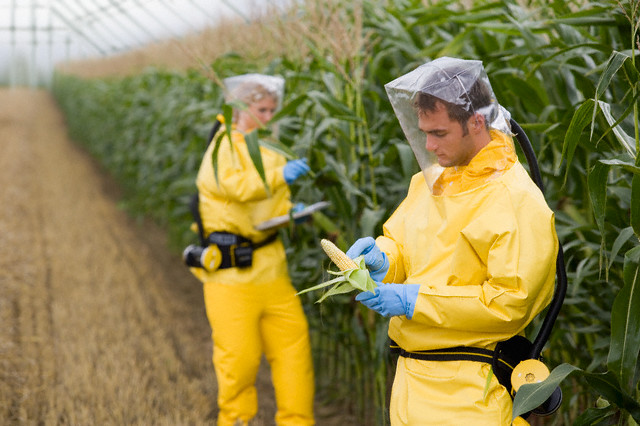



Recent analysis of official government data by PAN UK reveals that the amount of glyphosate being applied to UK crops has risen from 200 metric tonnes per year in 1990 to more than 2,200 tonnes in 2024, an increase of 1000%.
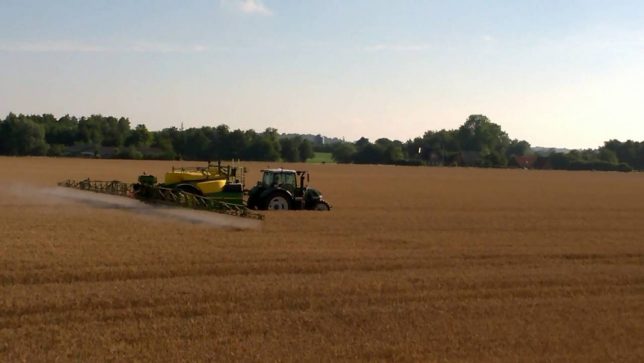
Major increases have been seen on a wide range of crops. For example, more than 66 tonnes of glyphosate were applied to British potatoes in 2024, up from 1.5 tonnes in 1990. During the same time period, the area of UK farmland treated with the toxic herbicide increased tenfold to over 2.6 million hectares in 2024, sixteen times the size of Greater London. The vast majority of these increases took place within the arable sector, with cereals (wheat, barley, and maize) leading the way.
While the data outside of farming is much patchier, the use of glyphosate by local councils in public spaces such as parks, playgrounds and streets also appears to have grown dramatically. According to official UK government statistics, local councils used roughly 60 tonnes of glyphosate-based products in 2020. However, the largest ever survey on pesticide use by councils, published last year, revealed that they used at least 354 tonnes of pesticides in 2024, the vast majority of which contained glyphosate.
These huge increases will be put under the microscope later this year, as the UK government must decide whether to reapprove glyphosate by mid-December. If they choose to grant the maximum 15-year license, there is unlikely to be an opportunity to review the decision until 2041.
“These figures reveal that the UK’s glyphosate addiction has spiralled out of control. Our overuse of this toxic chemical is leading to a whole host of problems, yet we continue to spray it on the food we eat and places where our children play. We know that glyphosate has links to a range of cancers and other life-threatening diseases. And that it damages the environment, polluting our waters and harming wildlife. The government urgently needs to commit to phase out – and ultimately ban – glyphosate and support farmers and local councils to adopt safe and sustainable alternatives. Otherwise, we will all continue to pay the price.” Nick Mole, Policy Officer, PAN UK
Glyphosate – often known by its most common brand name, Roundup – has been the cause of controversy for many years due to the ever-growing body of evidence that it has the potential to cause irreversible harms to both human health and the environment. In the US, it has been the subject of a spate of court cases which has seen the manufacturer pay out $11 billion to cancer-sufferers who claim that the herbicide caused their non-Hodgkin lymphoma or related cancers. The French government has acknowledged the link between Parkinson’s and glyphosate and has been paying out compensation to farmers.
The chemical has also been shown to have wide-ranging negative environmental impacts, from contaminating water to directly and indirectly harming a range of wildlife including amphibians, bees, and other pollinators.
Due to overuse, weeds in the UK are now becoming resistant to glyphosate. The first instances of resistance were confirmed in 2025, and cases are now becoming more commonplace. Resistance has long been a problem in the US where glyphosate is used in vast quantities.
In 2023, the EU banned the use of glyphosate in pre-harvest desiccation, a practice which involves dousing a crop in chemicals just before harvest to dry it out. However, the UK continues to allow glyphosate to be used as a pre-harvest desiccant, despite it often leading to high residue levels in food.
“Clear evidence of the rise in glyphosate use at this scale should be a wake-up call. It shows we’ve been too reliant on one chemical, particularly in our arable systems. We need to drive down use of glyphosate, and we could start with its use as a pre-harvest desiccant on crops going into the food supply chain. We should also move away from multiple applications on the same field in the same season. Farmers need practical alternatives, good advice, and proper incentives from government and the supply chain to drive down pesticide use. And we must avoid simply pushing farmers towards another product, or into excessive cultivation systems that lead to poor outcomes for nature and our soils,” Martin Lines, arable farmer and CEO of the Nature Friendly Farming Network concluded.
The UK and EU are currently negotiating a new SPS Agreement which is likely to see the UK adopt the ten-year license granted to glyphosate in 2023 by the EU. Meanwhile, the UK government must make its own decision on glyphosate by 15th December 2026, and has said that it will launch a 60-day public consultation in June.


(4 votes, average: 4.25 out of 5)
 Loading...