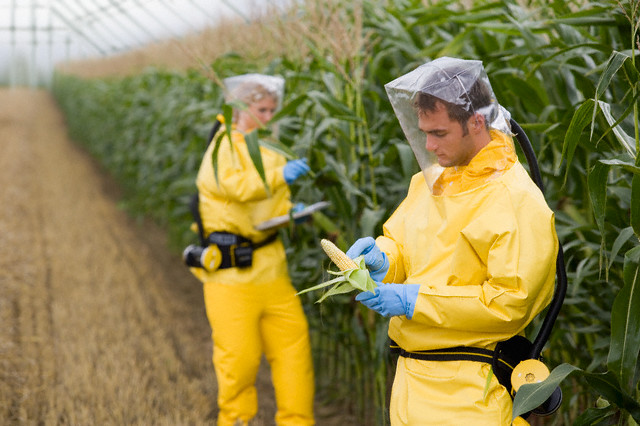



Safe Food Advocacy Europe (SAFE), a European consumer organization specialized in food policy, recently called for the protection of organic food from New Genomic Techniques (NGTs) in the European Union .
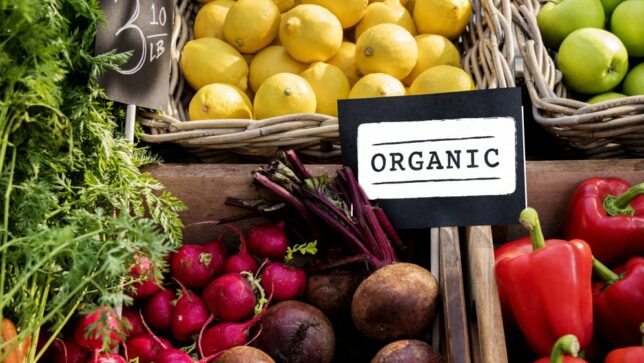
SAFE stated that they regret recent legislative steps to make NGTs, such as gene-edited crops, free from mandatory requirements applicable to other genetically modified organisms (GMOs) and warns that this will mean the end of organic food as we know it.
SAFE’s Deputy Director Luigi Tozzi said: “Organic food production is at a serious risk under the new legislation, because the measures in place to separate organic food production from food derived from New Genomic Techniques will disappear soon. This means that, in the future, products sold as organic may contain traces of NGT crops, restricting consumer choice and undermining the very concept of organic food production. This is a very serious threat for an important sector trusted by millions of European consumers”.
SAFE believes that the EU must make sure that all NGTs are fully traceable and clearly labelled, as is the case with other GMOs.
“It is hard to understand why the EU is turning its back on organic food production, after decades of consistent support under the Common Agricultural policy. In the past decade, European consumers have spent between €50 and €55 billion annually on organic food products, a testimony to their success and appreciation. The new legislation can damage this forever,” Tozzi concluded.
The warning from SAFE comes on the back of a narrow majority of EU Member States voting in favor in December of abolishing mandatory GMO labelling and further eroding the regulations for NGTs. The European Parliament and Council reached a provisional agreement to loosen regulations on NGTs, with a final plenary vote tentatively scheduled for 18 May 2026.
Franziska Achterberg, Head of Policy at Save Our Seeds, commented: “Most EU governments want to allow untested and unlabeled GM plants to be released into the environment and onto our plates, putting both people and nature at risk. In doing so, they are siding with multinational biotech corporations – at the expense of farmers, the food sector, consumers, and the environment. It is now up to the European Parliament to reject this deal.”
Since 2023, the EU has been discussing plans to deregulate genetically modified (GM) plants produced with NGTs. The aim is to exempt most of these plants from existing EU requirements for GMOs, including mandatory consumer labelling, traceability, risk assessment, and the submission of analytical detection methods. At the same time, patenting would remain fully permitted.

(2 votes, average: 5.00 out of 5)
 Loading...